Mandala and Mindfulness Programs for Children
Mandalas and Child Development:
Mandalas are valuable tools for supporting children’s emotional, cognitive, and creative development. Through the process of creating or colouring mandalas, children are invited to explore their inner experiences in a structured yet imaginative way.
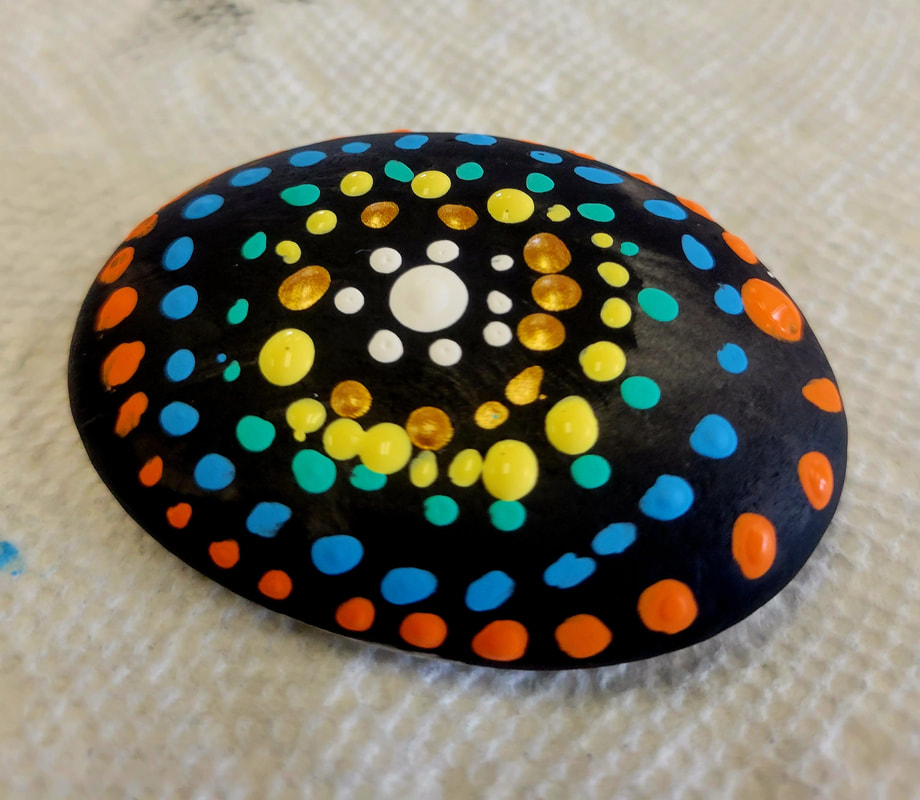
The word mandala originates from Sanskrit and translates to “circle.” A mandala is a geometric, circular design that radiates outward from a central point in a balanced and symmetrical pattern. Circular forms are widely recognized in nature, appearing in structures such as flower petals, tree rings, spiderwebs, seashells, and crystal formations. These natural patterns reflect harmony, balance, and organization — principles that are also beneficial for children’s learning and emotional growth.
In psychological and educational contexts, mandalas are often viewed as symbolic representations of wholeness and integration. They can serve as visual frameworks that help children organize thoughts, emotions, and experiences in a safe and contained format.
Developmental and Therapeutic Benefits:
Research and art therapy practices suggest that mandala creation can support children in several key developmental areas:
• Emotional Expression: Provides a safe, non-verbal outlet for children to express thoughts, feelings, and experiences that may be difficult to communicate through words.
• Self-Regulation and Calming: The repetitive and rhythmic nature of mandala art can promote relaxation and help reduce stress and anxiety.
• Focus and Concentration: Working within a structured circular design encourages sustained attention and supports the development of mindfulness skills.
• Cognitive Organization: Mandalas offer a visual and spatial framework that can help children process information and structure their internal experiences.
• Self-Awareness and Insight: Creative engagement with mandalas can help children develop greater awareness of their emotions and personal responses.
• Creativity and Imagination: Encourages exploration, experimentation, and creative confidence.
• Behavioural Regulation: The calming and focusing qualities of mandala work may help reduce impulsivity and support emotional balance.
Art therapist Cathy Malchiodi (2003) highlights the role of structured creative expression, such as mandala-making, in promoting relaxation responses in the body, including reduced muscle tension and improved emotional regulation.
In addition to developmental benefits, mandala creation offers children an enjoyable and meaningful creative experience that supports overall well-being.
Mandalas are valuable tools for supporting children’s emotional, cognitive, and creative development. Through the process of creating or colouring mandalas, children are invited to explore their inner experiences in a structured yet imaginative way.
The word mandala originates from Sanskrit and translates to “circle.” A mandala is a geometric, circular design that radiates outward from a central point in a balanced and symmetrical pattern. Circular forms are widely recognized in nature, appearing in structures such as flower petals, tree rings, spiderwebs, seashells, and crystal formations. These natural patterns reflect harmony, balance, and organization — principles that are also beneficial for children’s learning and emotional growth.
In psychological and educational contexts, mandalas are often viewed as symbolic representations of wholeness and integration. They can serve as visual frameworks that help children organize thoughts, emotions, and experiences in a safe and contained format.
Developmental and Therapeutic Benefits:
Research and art therapy practices suggest that mandala creation can support children in several key developmental areas:
• Emotional Expression: Provides a safe, non-verbal outlet for children to express thoughts, feelings, and experiences that may be difficult to communicate through words.
• Self-Regulation and Calming: The repetitive and rhythmic nature of mandala art can promote relaxation and help reduce stress and anxiety.
• Focus and Concentration: Working within a structured circular design encourages sustained attention and supports the development of mindfulness skills.
• Cognitive Organization: Mandalas offer a visual and spatial framework that can help children process information and structure their internal experiences.
• Self-Awareness and Insight: Creative engagement with mandalas can help children develop greater awareness of their emotions and personal responses.
• Creativity and Imagination: Encourages exploration, experimentation, and creative confidence.
• Behavioural Regulation: The calming and focusing qualities of mandala work may help reduce impulsivity and support emotional balance.
Art therapist Cathy Malchiodi (2003) highlights the role of structured creative expression, such as mandala-making, in promoting relaxation responses in the body, including reduced muscle tension and improved emotional regulation.
In addition to developmental benefits, mandala creation offers children an enjoyable and meaningful creative experience that supports overall well-being.
This program can be tailored to meet the unique needs of your school and students. Sessions can be offered as a one-time creative experience or as a multi-session program designed to deepen learning and allow students to develop a more detailed and substantial mandala piece. For extended programming, a four-session format (once per week) is ideal.
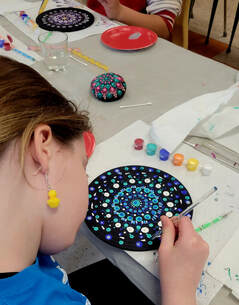
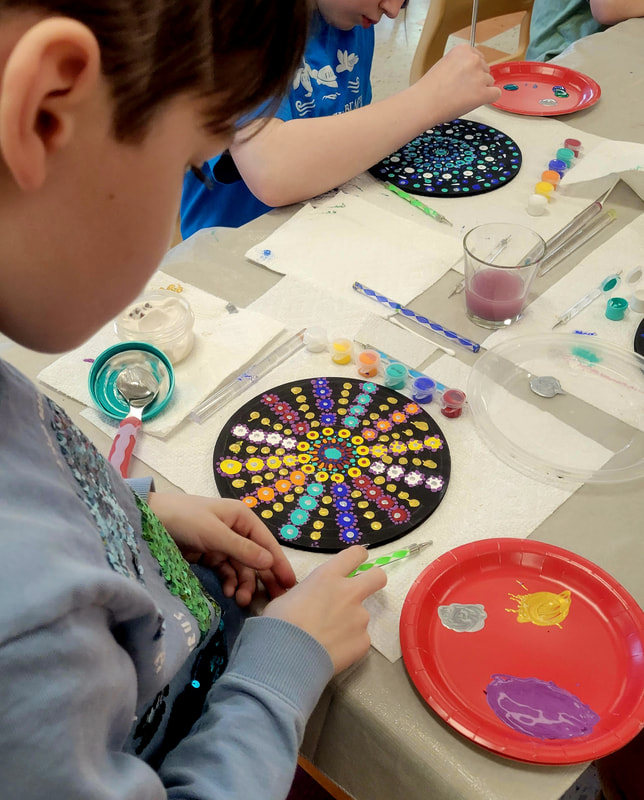
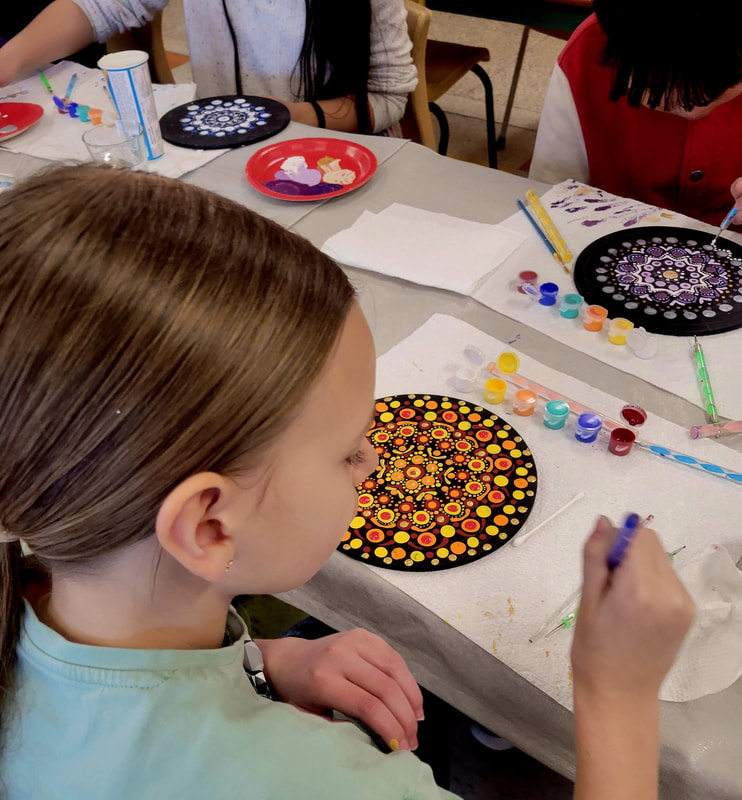
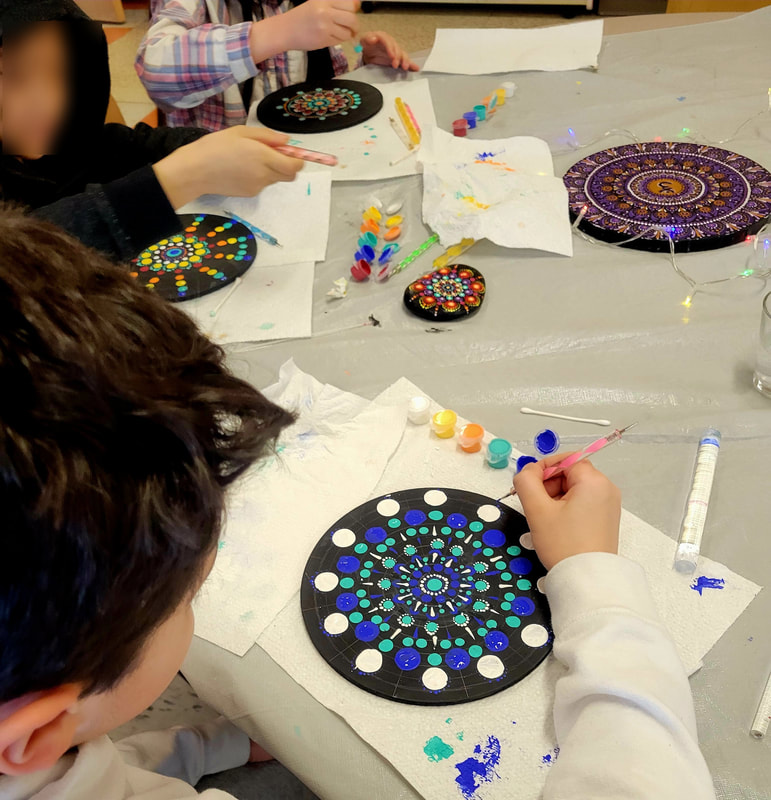
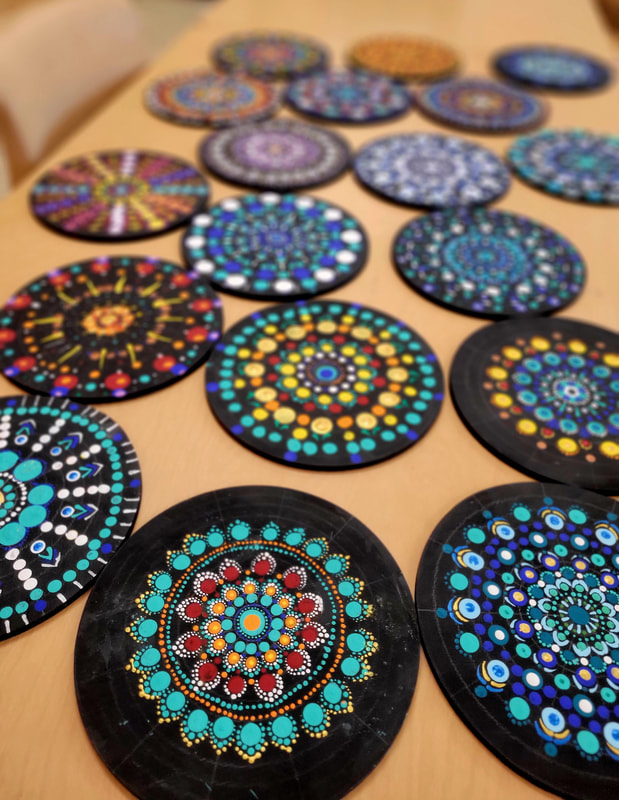
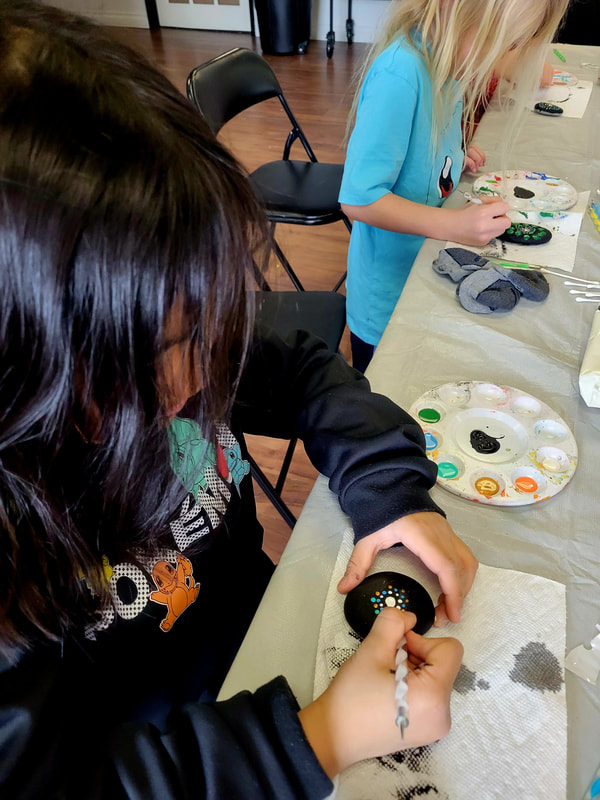
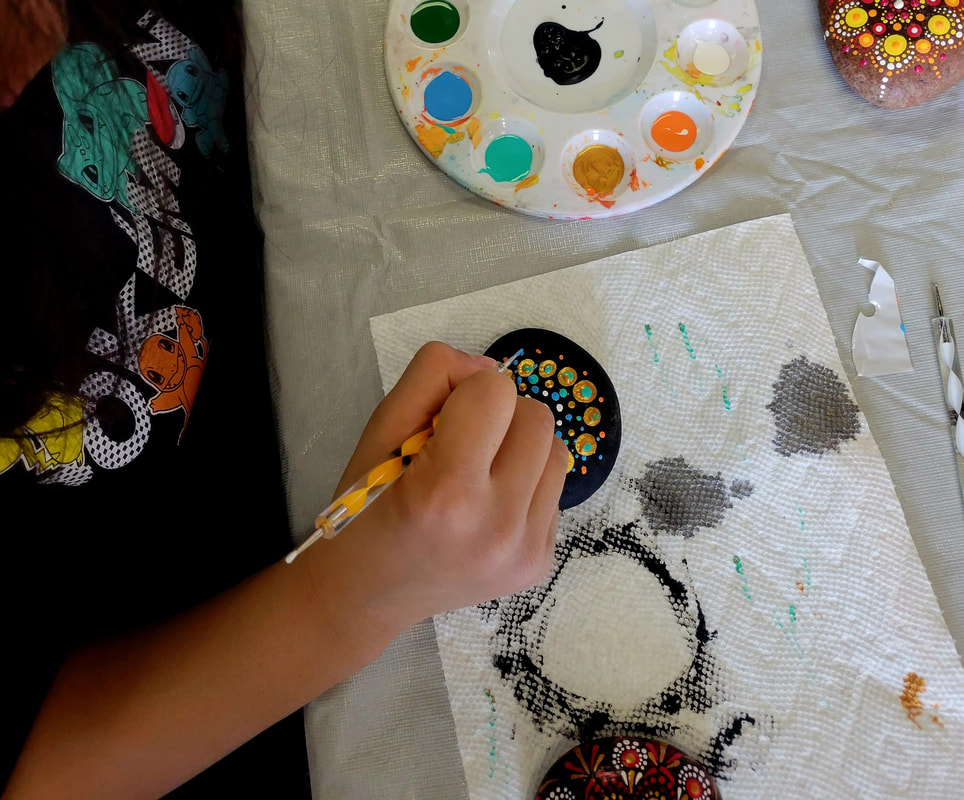
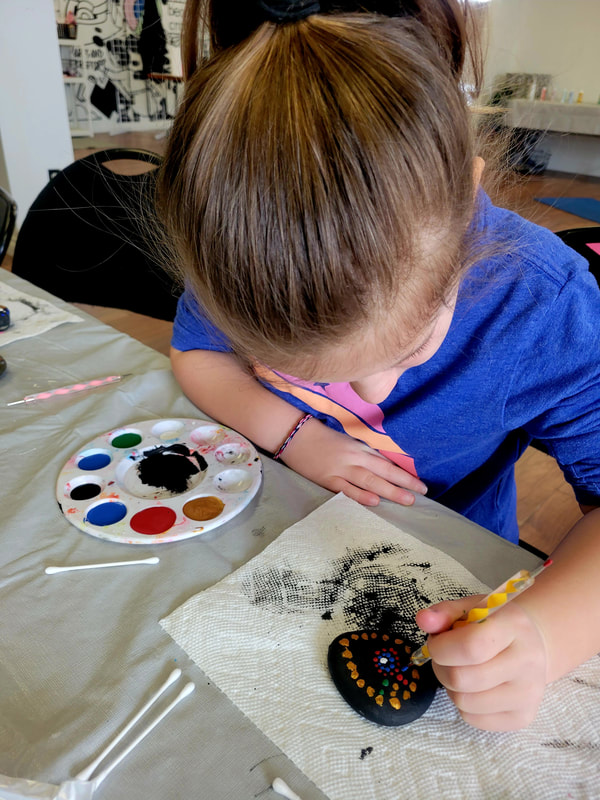
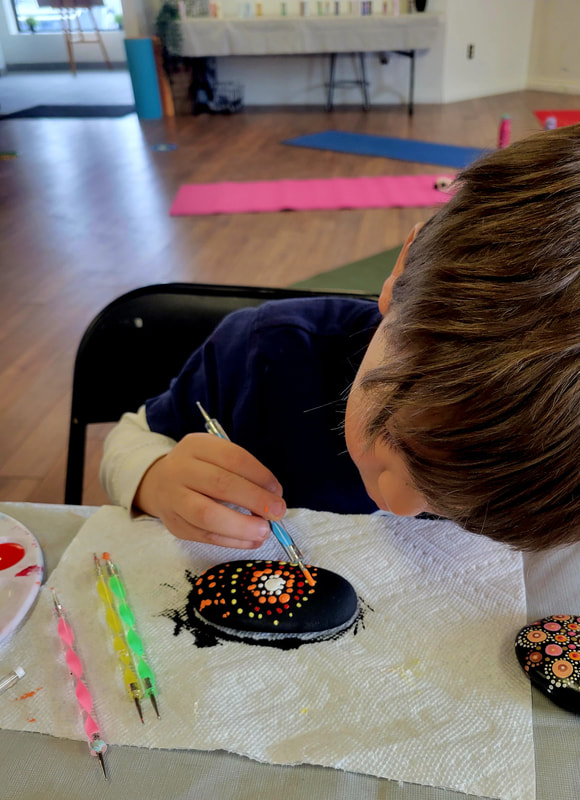
Students may create their mandalas using either natural stones or round wooden panels, depending on program goals and preferences.
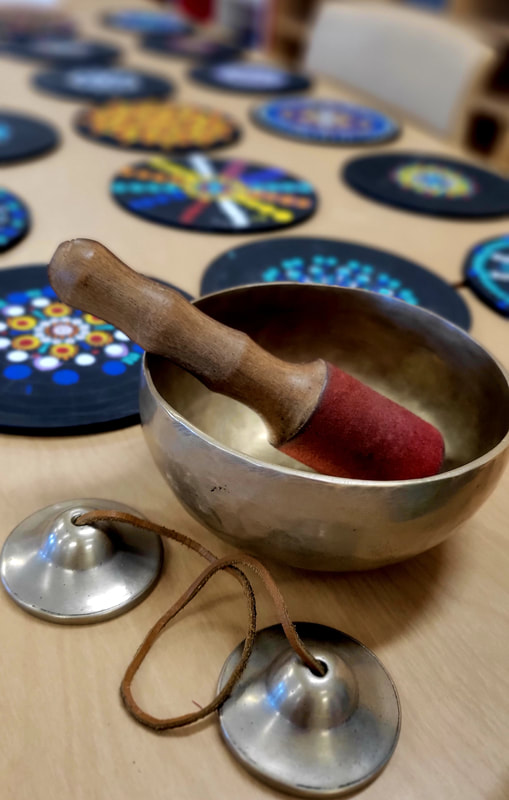
In addition to introducing students to the beauty and technique of mandala painting, a central focus of this program is to help children understand and practice mindfulness. Through guided creative work, students learn how mindful art can support focus, emotional awareness, and self-regulation.
Visit my website Soul Stones Studio to learn more about my work with mandalas.
OR please reach out for more info.
Students may create their mandalas using either natural stones or round wooden panels, depending on program goals and preferences.
In addition to introducing students to the beauty and technique of mandala painting, a central focus of this program is to help children understand and practice mindfulness. Through guided creative work, students learn how mindful art can support focus, emotional awareness, and self-regulation.
Visit my website Soul Stones Studio to learn more about my work with mandalas.
OR please reach out for more info.